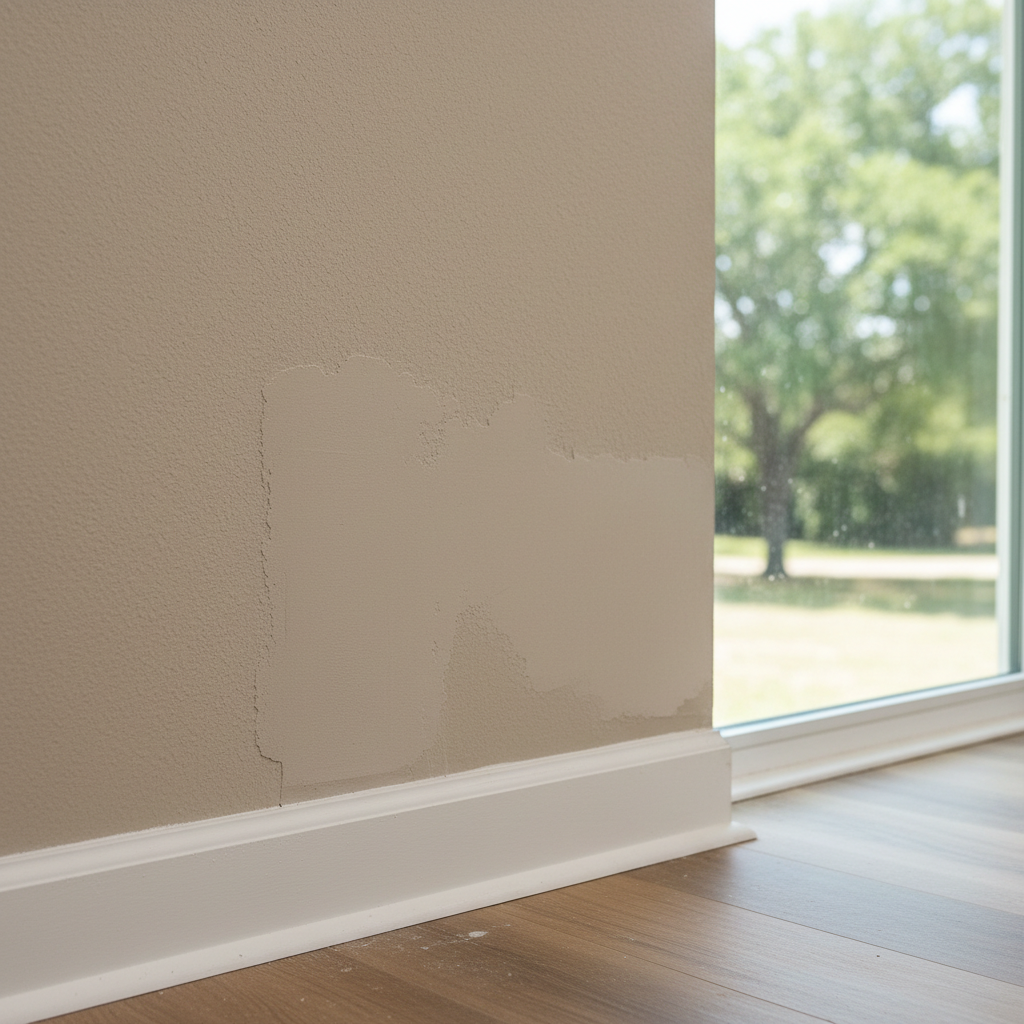
Water standing on your kitchen floor or soaking into the baseboards can ruin a week. When a major leak or heavy storm strikes your house down here in Atascosa, TX, the clock starts ticking immediately. Our local clay and sandy loam soils shift around foundations, and sudden downpours can expose weak spots in roofing or plumbing. You need to act quickly, but you also need to know what you can safely handle on your own and when it is time to bring in professional Water Damage Restoration Service.
Before the Restoration Crew Arrives
The first few hours after a water leak or indoor flood set the stage for how bad the damage will get. Your main goal right away is safety and stopping the flow of water.
- Shut off the main water valve immediately if an internal plumbing failure is the culprit.
- Kill the power to affected rooms at the breaker box if standing water is anywhere near outlets or appliances.
- Move wet rugs, electronics, and furniture off damp flooring to prevent stains and permanent warping.
- Take clear photos of everything for your insurance adjuster before moving items around.
Do not try to use a standard household vacuum to suck up gallons of water. You will burn out the motor or risk a serious shock.
DIY Cleanup Versus Professional Help
Many homeowners want to grab a mop and some box fans to fix things themselves. If you have a minor spill from an overflowing sink on a tile floor, you can usually handle that with old towels and a couple of fans running full blast. But hidden moisture behind drywall or beneath engineered flooring is a totally different story.
At Brightline Restoration Company, we see what happens when trapped water gets ignored behind walls in rural properties and neighborhood builds alike. Within forty-eight hours, mold starts setting in. If the water came from outside during a severe storm, carrying silt, debris, or contaminants, that is considered grey or black water. You should not touch that water without heavy-duty personal protection gear.
Real Water Damage Restoration Service takes more than ambient air circulation. Industrial-grade dehumidifiers and high-velocity air movers pull moisture straight out of framing studs and subfloors before rot takes hold. If the saturated area is larger than a single small room, or if insulation and drywall are soaked through, you need specialized moisture-detection meters and commercial equipment.
After the Drying Process Finishes
Once the structure is completely dried out and certified by moisture meters, the rebuilding phase begins. This is where you replace ruined drywall, install new baseboards, and repaint. Make sure you do not seal up any cavities until humidity levels inside the wall frames match standard regional levels. Skimping on this step leads to musty odors and hidden mold growth a month down the road.
Keep an eye on your home exterior drainage, too. Making sure your property slopes away from the foundation helps keep future storms from pooling against your slab. Dealing with water damage is stressful, but taking a systematic approach keeps your home safe and sound for the long haul.